Malaria

The circle icon for Malaria - an illustration of mosquito with a drop of blood on a dark pink background.

Malaria affects millions of people worldwide and kills large numbers of children each year.

Older children can promote the use of bed nets and help prevent mosquitoes from breeding and biting. Children can help to care for younger children with fevers and during recovery by helping them to eat good food, drink and catch-up on school work. There is now a vaccine which is beginning to be rolled out in some parts of the world.

Read our Top Ten Messages on Malaria for children to learn and share. Scroll down to see ideas on what children can do to understand, find out more, take action and reflect on this topic.

Use the links below to browse our FREE resources to help children learn more, share their knowledge and become agents of change.

10 Messages on
Malaria

  1. Malaria is a disease spread by the bit of an infected mosquito. Mosquitoes often bite between sunset and sunrise.
  2. Malaria is dangerous. It causes fever and can kill, especially children and pregnant women.
  3. Prevent malaria by sleeping under insecticide-treated bed nets that kill mosquitoes and stop them biting.
  4. The malaria vaccine helps protect children from getting extremely ill with malaria and can even save their lives.
  5. When children get malaria they may grow and develop more slowly.
  6. There are three types of insecticide spraying to kill malaria mosquitoes: in houses, in the air and onto water.
  7. The signs for malaria are high fever, headaches, muscle and stomach aches, and chills. Rapid tests and treatment will save lives.
  8. Malaria can be prevented and treated with medicine as directed by a health worker.
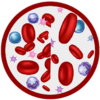
  9. Malaria lives in an infected person’s blood and can cause anaemia, which makes us tired and weak.
  10. Antimalaria pills can prevent or reduce malaria and anaemia in places and at times when there is lots of malaria in a community.

Children can learn, collect & share these messages!

While teaching these messages, encourage children to…

MAKE their own Malaria Messages using their own words in their own language!

LEARN these messages so they never forget them!

ADD these messages to their collection!

SHARE these messages with other children and their families!

If your class or group is struggling to stay connected and engaged, we have loads of ideas for ideas to help them! Have a look at Closing Games & Activities.

Use the questions/discussion topics below to help children to memorise the messages and really understand them.

The word Malaria in blue on a dark pink background
A small child in a pink shirt is sitting on a bed under a mosquito net as their parent sits outside telling them a story.
What can children make?

MAKE posters to show others how malaria spreads and how they can join the fight to prevent malaria.

MAKE up stories or plays about the life cycle of the anopheles mosquito to tell or perform to other children.

MAKE posters to show others how to use bed nets.

TELL stories and make posters to show others how to prevent mosquitoes biting.

CREATE stories or dramas to show how a child recognises the signs of malaria in another child and ask the adults to take them for a test.

CREATE stories or drama about the signs for malaria and anaemia, how worms lead to anaemia and how malaria leads to anaemia too.

MAKE posters about iron rich food in their community.

What can children do?

HELP younger children stay under the net when mosquitoes are biting.

ENSURE nets are tucked in properly and have no holes.

CREATE stories or drama about why people do and don’t like nets and what they believe the nets do and don’t do.

ORGANISE a campaign to show people how to use nets.

INVITE a health worker to visit the school and talk to older children about the tests.

USE song, dance and drama to share these message with others.

LOOK up local malaria immunisation schedules and encourage each other to be vaccinated.

What can children ask?

HOW many people in their families have had malaria?

HOW we can prevent malaria?

HOW and WHEN to hang up bed nets and use window screens and how do they work?

WHERE do people get LLINs in the community (e.g. at a health centre on child health days)?

HOW can malaria kill?

HOW dangerous is malaria for pregnant women and children?

WHY do children get malaria more easily?

WHAT do health workers give women who are having a baby to stop them getting malaria and when do they get it?

HOW do iron and iron rich foods rich foods (meat, some cereals and green leafy vegetables) help to prevent anaemia?

HOW to protect ourselves and each other from mosquito bites?

WHAT are the special tests to check if malaria is present in the blood called?

Download these free materials now to help children learn and share these
essential health messages. See our free resource section for more!